

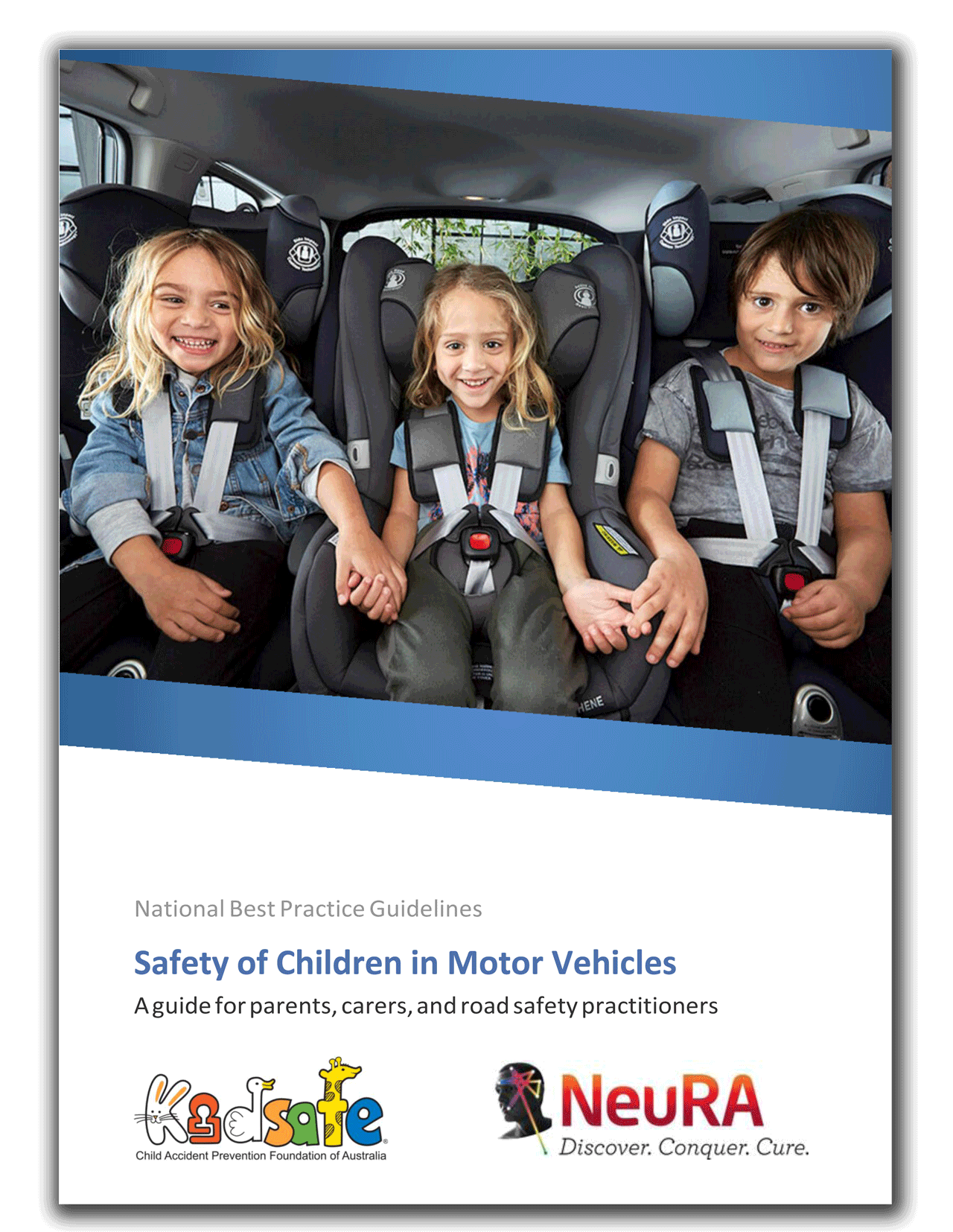
The aim of these guidelines is to provide parents, carers, and road safety practitioners with clear advice on optimal use of child restraints and seat belts by children aged 0-16 years when travelling in motor vehicles, to minimise their risk of injury in the event of a crash.
These guidelines were developed through a partnership between Kidsafe Australia and Neuroscience Research Australia, supported by a panel of child road safety experts. They were approved by the National Health and Medical Council of Australia in November 2020.
For full details and resources available on the safety of children in motor vehicles, head to the Kidsafe Australia website.
The laws in all Australian states and territories outline the minimum child car restraint requirements for all children up to the age of 16 years. The available evidence shows that there is more that can be done above and beyond these minimum requirements, to minimise injury to child passengers, by encouraging best practice child restraint use.
The new recommendations outlined in the Guidelines include:
- Children should use their child restraint or booster seat when travelling in rideshares (e.g. Uber) and rental cars, as well as taxis.
- Strengthened advice to use the ‘5 Step Test’ to decide when to transition from a booster seat to adult seat belt.
- Children should be encouraged to sit in an upright seating posture so their restraint can work optimally.
- Children aged 4-8 years should use an add-on booster seat in preference to an integrated booster, but children 9 years and older can safely use an integrated booster seat if their car has a side curtain airbag where they are sitting.
- Parents of low birthweight babies should use an infant car restraint designed for low birthweight babies until they can get good harness fit in a ‘standard’ child car restraint.