Home Safety
Our homes are an important part of our lives. For children, they provide a place to play, learn, grow and develop.
Unfortunately, the home environment is where a high percentage of accidental injuries to children occur.
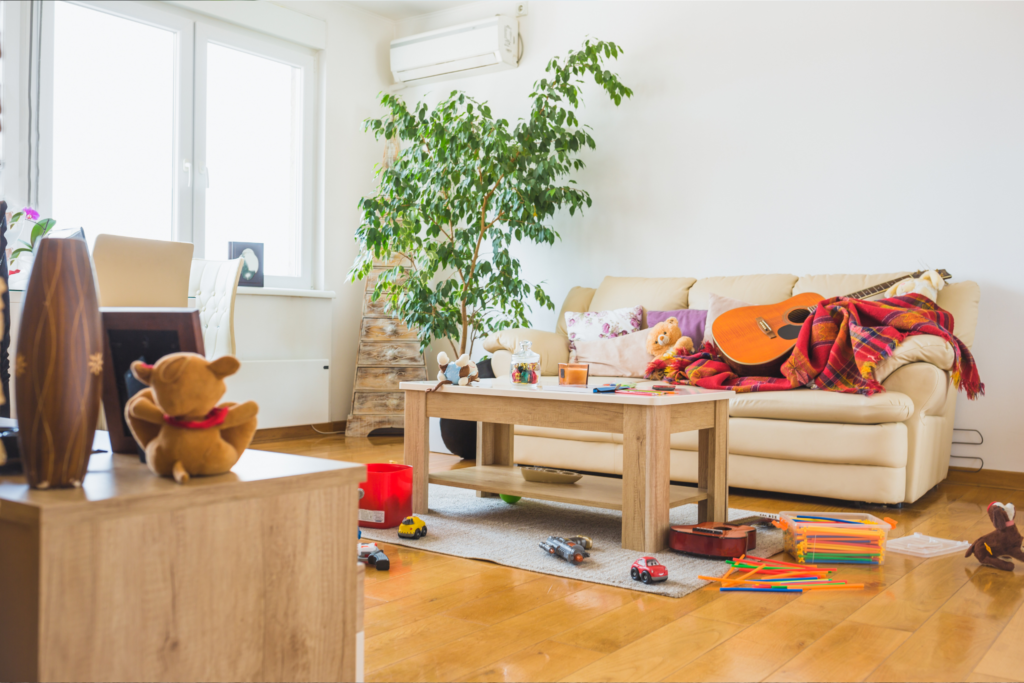
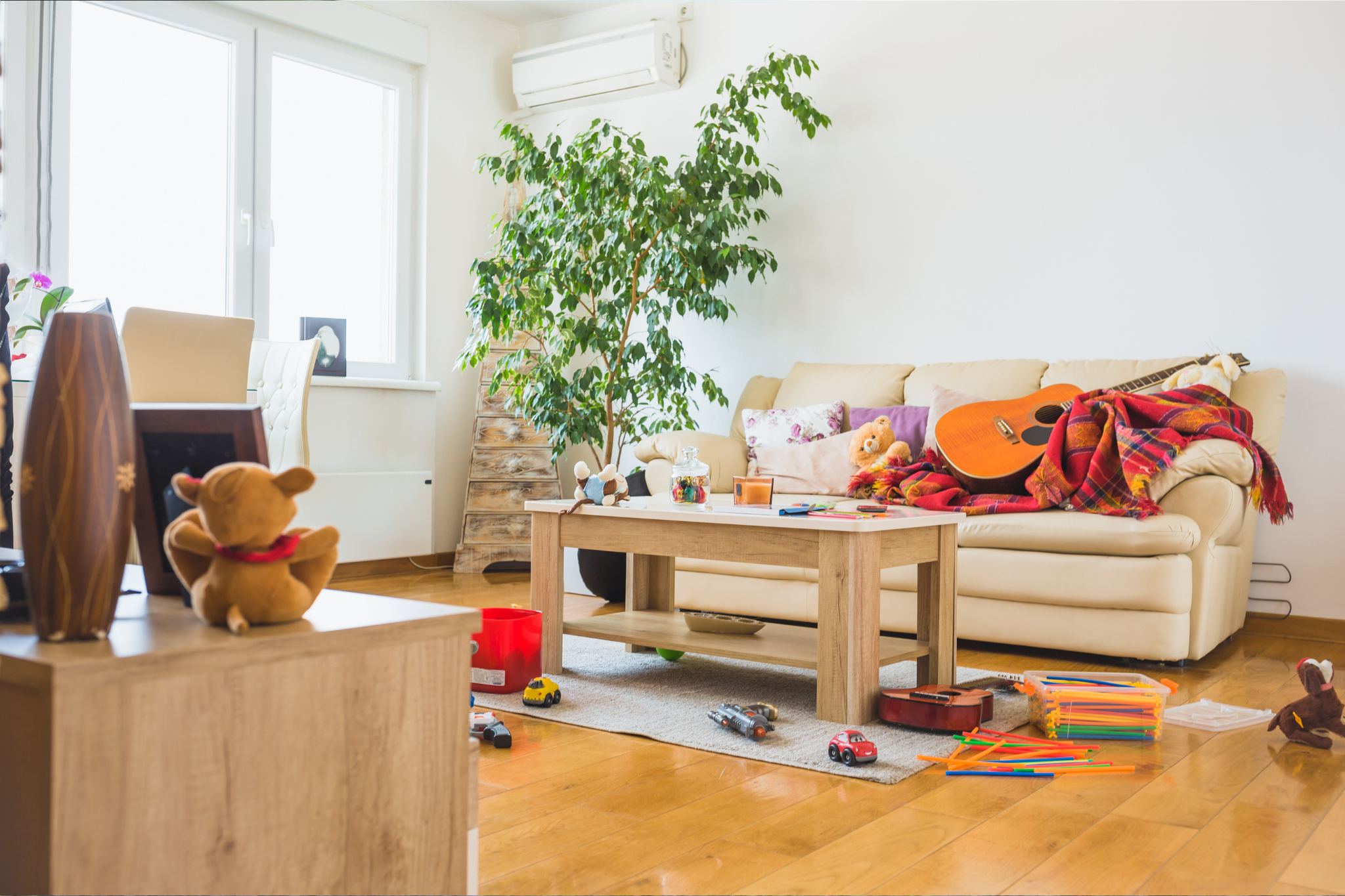
Homes are designed for adults and pose a number of risks for children. Identifying and addressing hazards in and around the house, making small changes, buying more child friendly products and providing effective adult supervision can dramatically reduce the risk of unintentional injury to young children.
Risks can include furniture tip-overs, burns, water, button batteries, plants and more.
Furniture Tip-Overs
Once your baby starts to crawl and walk, they are likely to start climbing and pulling on objects, including household furniture. As babies lack awareness of surrounding hazards, this puts them at increased risk of injury from TV and furniture tip-overs.
As your baby becomes more mobile, it’s important to look at the furniture around your home and put measures in place to prevent it from falling or being pulled down.
- Secure any unstable furniture to the wall or floor, and secure TVs to the cabinet or wall, using furniture brackets and/or anchors.
- Do not put heavy items on the top shelves of bookcases.
- Do not place unstable furniture near your baby’s play area.
- Do not leave any items such as bottles, toys or remote controls on top of furniture that may tempt young children to climb up to reach them.
- Use locking devices on drawers to prevent toddlers from opening them and using them as steps.
- Purchase low set furniture, or furniture with a study, stable and broad base.
- Look for furniture that comes with safety information or equipment for anchoring.
Burns
Kidsafe Tasmania encourages parents and carers to download and use their Burns Safety Checklist to prevent burns around the home, and to ensure they are aware of the correct first aid steps to take in the event that someone sustains a burn.
According to data from the Burns Registry of Australia and New Zealand (BRANZ), in 2023/24, 2,802 patients were admitted to burns units across Australia and New Zealand, with 23.1% of those cases classified as paediatric (0-15 years).
BRANZ identified that 56.8% of total burn injuries occurred in the home or usual place of residence, while 29.2% of paediatric cases occurred when playing near a person preparing food or drink
Administering the correct first-aid treatment in the first three hours of an injury can significantly reduce the severity of minor burn injuries.
Fortunately, 59.5% of all patients received gold-standard first aid, which is 20 minutes of cool running water within three hours of the injury, highlighting the importance of community education on burn and scald first aid.

5 mins

Home Safety News
-
Preventing Poisoning
|
Every year, hundreds of children need medical treatment for poisoning from products commonly found around…
-
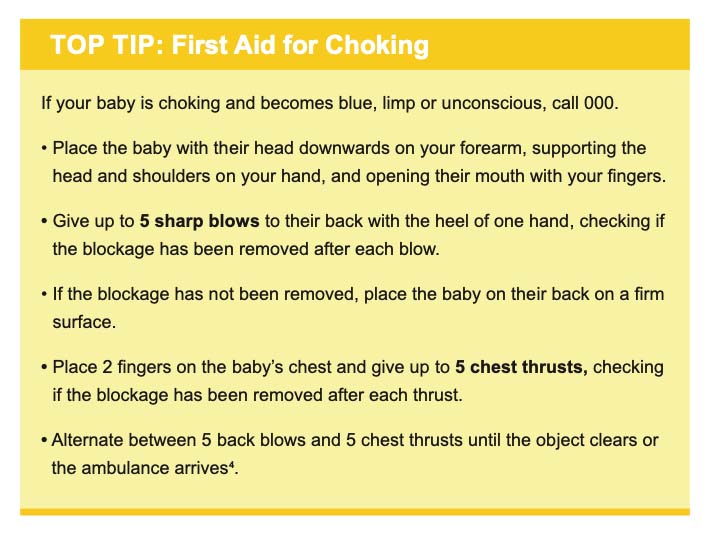
Choking & Suffocation
|
As babies start to explore and put things into their mouths, it is important to…
-